
— Blog
Everyone Believes They Were Bullied
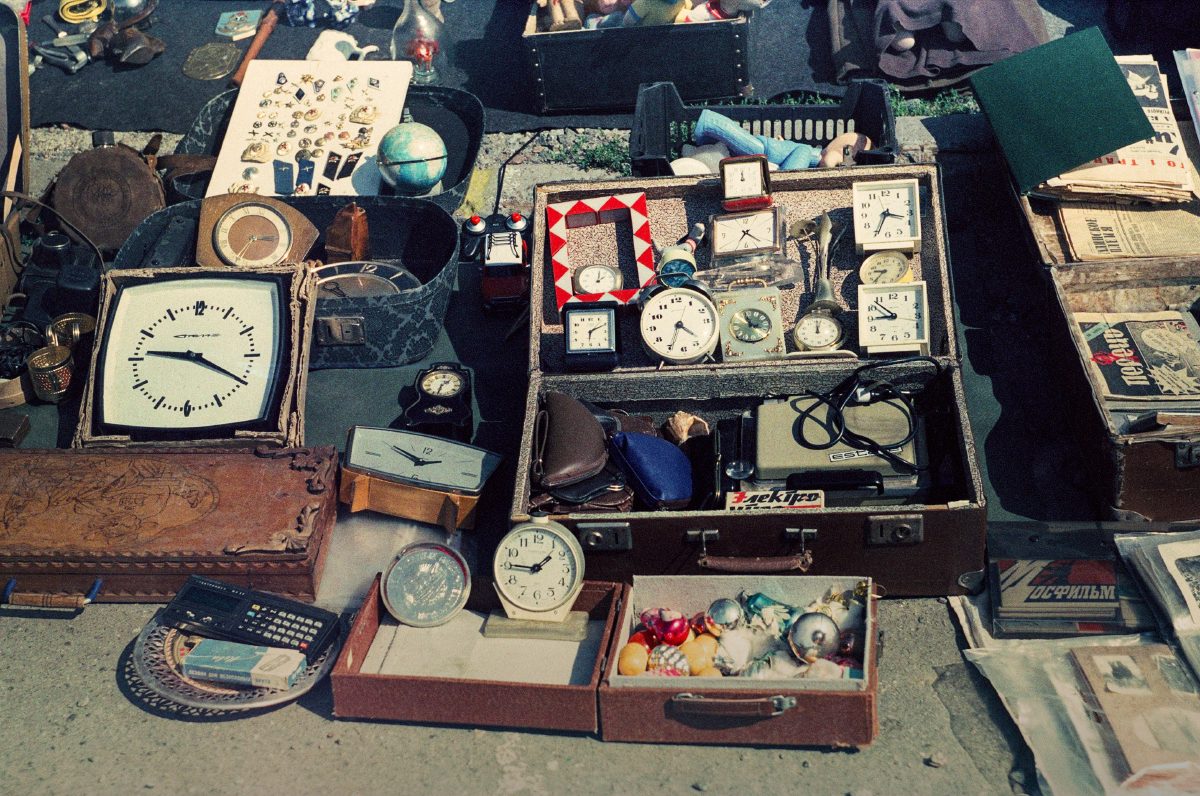
One of the most surreal experiences of my life happened about a month after my dad died. We had gone through his stuff and were setting up a garage sale to sell some of it. There was a lot so we spent a week sorting through it, labeling everything, and getting tables and other display surfaces ready so we could put them out in our driveway on the day of the sale.
As we were setting up a woman I didn’t recognize, wearing exercise clothes and power walking down the sidewalk, glanced over, did a double-take, then, “Jennifer?”
It turns out it was Sarah (not her real name), one of the girls who had grown up across the street from me. She was the eldest daughter of the family, and had two younger sisters and a younger brother. Her middle sister was my age—Carol. We didn’t get along.
Carol was petite, blonde, and friendly. I was tall (big in middle-school parlance), brunette, and socially awkward. When Sarah and Carol moved in I had slowly made inroads in becoming friends with the two other girls on my block, Susie and Nadine, who were around my age. But when Carol came into the picture, I was on the outs. She instantly didn’t like me.
To be fair, it was mutual. She acted like the only important things in the world were clothes, makeup, and boys. We were eight. I thought she was stupid. She said whatever she thought would get her what she wanted (aka she lied a lot). I didn’t realize that people didn’t like hearing the truth, and was literal and direct.
One day, Carol was being especially annoying and I held my can of Tab over her head in a threatening way to get her to shut up. Her response? “You wouldn’t dare.”
I dared.
She ran across the street, into her open garage, crying, “Sarah! Sarah!” I was just glad she was gone.
That’s the day I learned what it meant to have an older sister.
Sarah came out, fists cocked. She informed me that if I picked on her sister again, I would “get it.” Sarah was older than me, bigger, and played baseball. Not softball, baseball. Her arms looked like sides of beef. The most weight lifting I did was picking up the Sa–So volume of the encyclopedia.
I spent the next five years of my life living in terror of my neighbors. Any time Carol got annoyed with me, she threatened to call Sarah. Sarah would emerge from her cave or the gym or wherever muscle-bound teens hung out and smack her fist in her hand a few times and chase me into my house. I don’t think she ever caught me because I knew all the secret ways into our suburban fortress and my dad loved locks.
Who Was the Bully?
Being the main character in my own life, I felt bullied by all of them—Sarah, Carol, and, in a quieter way, Susie and Nadine for standing there while it happened.
But I did pour lukewarm diet soda on an eight-year-old’s head. I was almost certainly rude to her, and probably mean in ways I didn’t have the skills to notice. If you asked Carol, I’d bet she’d tell you about the weird tall girl across the street who corrected her constantly and once assaulted her with a Tab.
Carol, for her part, was mean to everyone. She called Susie fat to her face and told Nadine she was ugly. She criticized Sarah, which I secretly thought was the bravest thing I’d ever seen, though I’d have died before telling her that. She was the queen of the block. If Carol decreed we were playing Nadine’s game of Sorry, we played Sorry—or rather, they played, and I watched, because Carol had determined that the game was best with exactly three players.
Susie and Nadine didn’t make waves. Susie handed over her Barbie when asked. Nadine brushed Carol’s hair and told her she was pretty. Neither of them ever said a word during torture-Jenn time, which I understood even then wasn’t cowardice so much as arithmetic—there were only so many spots on that driveway, and I was already occupying the one nobody wanted.
Sarah is the one I have no ambivalence about. She threatened me at Carol’s direction and on her own initiative. She called me out to the bleachers after school so she could beat me up, and I never went. I spent those afternoons locked in my closet with a book and a flashlight—not a metaphor, an actual closet—because Sarah knew where I lived. She lived across the street.
But Sarah Didn’t See it That Way
I’ve thought about that crisp June morning a lot since. Sarah wasn’t performing. She wasn’t testing me to see if I’d flinch. She was genuinely, uncomplicatedly glad to see a girl she grew up near. Somewhere in her head there’s a version of that block where she watched her favorite sister play Sorry in a driveway with her friends and nobody was missing from the game.
I don’t think she’s lying. I think she just wasn’t there for the part I remember. She showed up, made her fists, made her point, and went back inside to whatever teenagers did in 1980. Ten minutes of her week. Five years of mine.
That’s the thing nobody tells you about being on the receiving end: it doesn’t cost the other person anything to hold onto. There’s nothing to hold. Which is why everyone believes they were bullied and almost no one believes they did the bullying—the memory only sticks to the person who had to reconstruct their afternoons around it.
So no, I couldn’t manage, “it’s good to see you too.” I stood in my father’s driveway holding a backpack and box of his old electronics and let my mother handle it.