— Blog
In Defense of the Mean Girl
When I first introduced Winona, Wanda, and Willemina in Digital Dryad, my readers liked Wanda and barely remembered Willemina. But Winona, they hated. “She’s nothing but a mean girl,” was a comment I saw in variations all the time. But I believe she’s redeemable.
When we think of unlikeable characters, we usually mean characters that are certain and loud. And if their certainty is invalid, that makes them even less popular. Willemina and Wanda are both quiet. So, they may be part of the mean girl clique, but they aren’t hated. Winona, in contrast, bulldozes them, mocks other dryads, and is wrong in front of everyone.
But what you don’t see in Digital Dryad is the fear underlying her arrogance. Winona witnessed large swaths of her grove clear-cut as a young child. She watched it happen and the terror it might happen again is with her constantly. But she also has a secret. Everyone knows she loves human things like fashion and cars, but she also loves books and learning, and she fears someone might tease her like she teases her sisters. Digital Dryad is written from Sierra’s perspective, and Sierra will never know those facts about Winona. But a short written in Winona’s point of view can.
Winona is certain the beekeeper across the river will kill her grove. And she is determined to stop him. Determined to start a fight with him about it. And she’s wrong. He cares about the woods as much as any dryad. The good part isn’t that she’s wrong. It’s what she does when she realizes she’s wrong.
Why I don’t write role models
A role model is someone who has figured it all out. They are finished and know what to do. Fiction allows me to explore and explain why a mean girl might be more than just mean. She might have legitimate reasons for her actions, reasons that we can understand if we take the time.
Last week I posted an essay about bullies and being bullied. It’s something I’ve been thinking about both in my own life and in watching my child grow up. Winona is a bully. But she’s more than that. And while I might not like how she chooses to live her life, I can understand it better. And that’s why I wrote this short story.
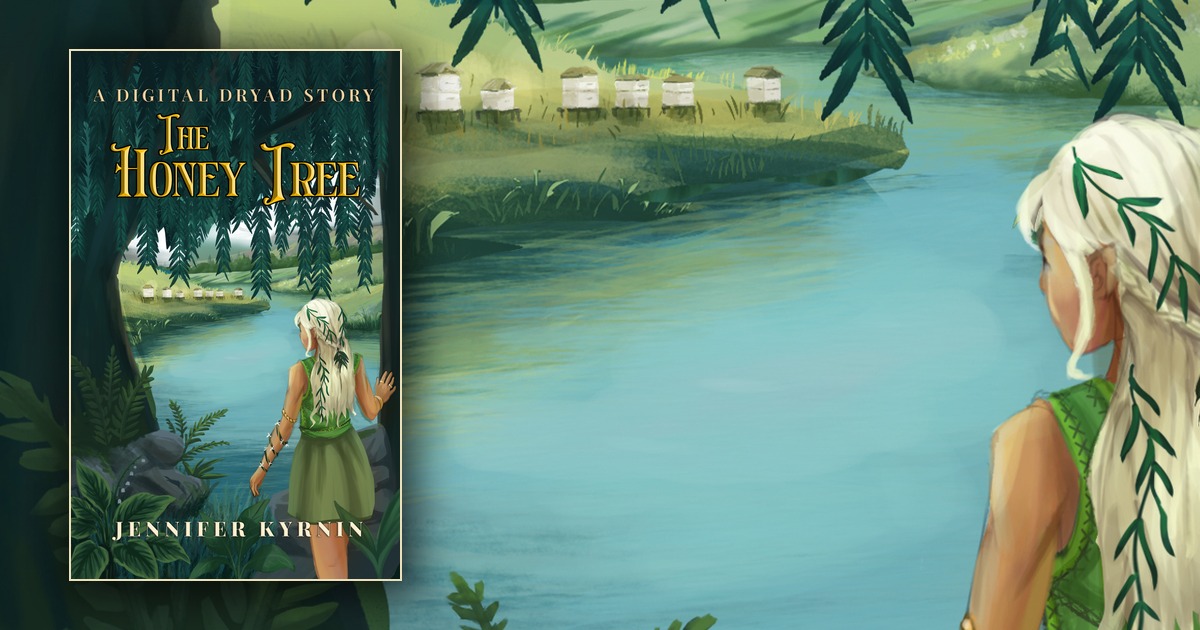
The Honey Tree isn’t a redemption arc. Winona is still Winona at the end of that story and she’ll be herself when Digital Dryad opens.
At the end of The Honey Tree, the afflicted tree lives. It and it’s new bonded dryad will carry the scars of this story for the rest of their lives, and nothing in the story takes that back. I could have written a version where Winona arrives in time to save the day with no harm or danger to any of the trees in the forest. I didn’t want that.
A clean ending is the plot version of a role model. It makes the promise that if you understand a thing, if you admit you were wrong, your losses will be removed. But that’s now how nature works. Winona admits to her mistakes and someone still gets hurt. And that hurt is still there the next day. That’s what I wanted to capture on the page—not that Winona could fix things, but that she would live with her choices afterward.
Read “The Honey Tree”
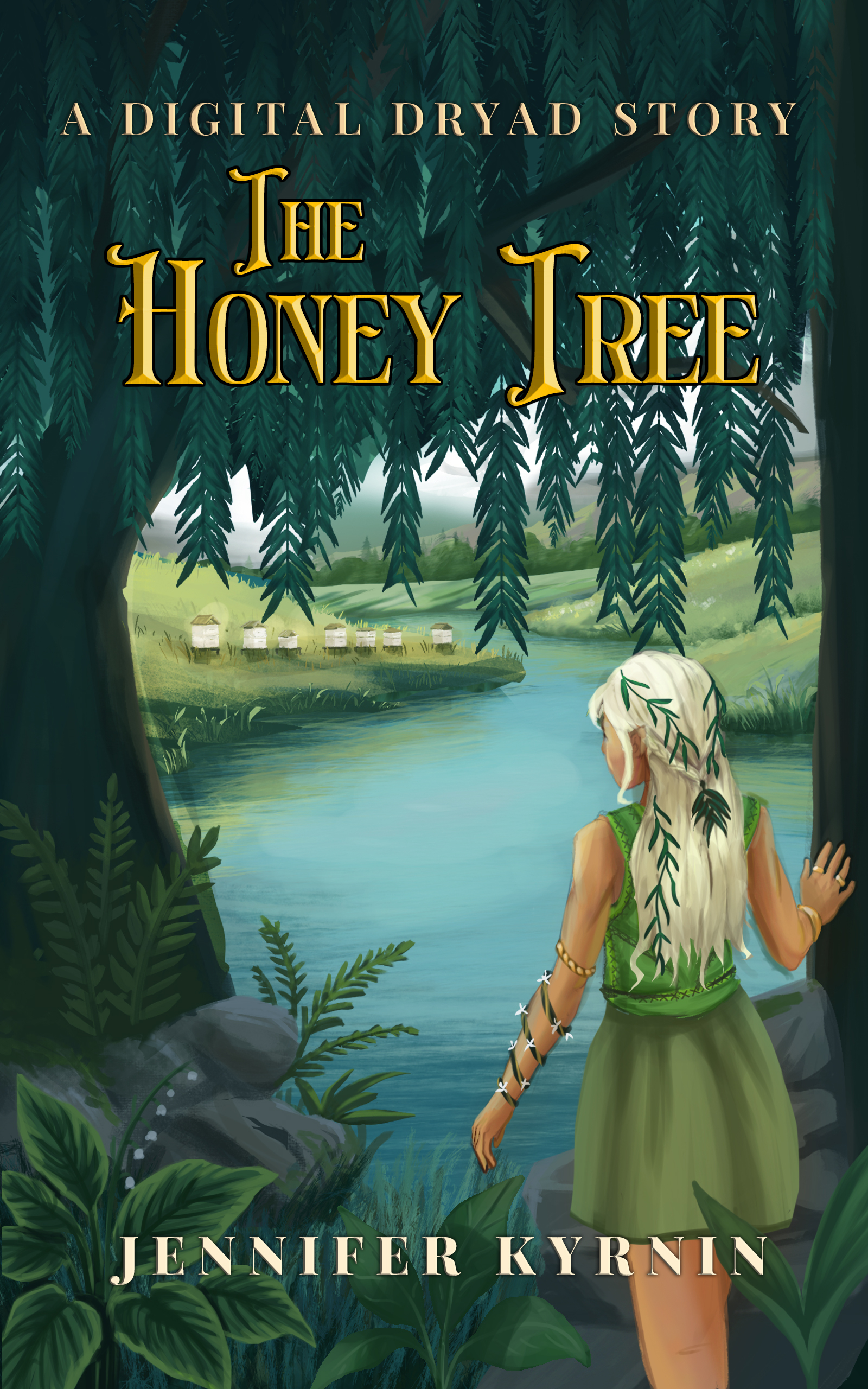
The Honey Tree is a standalone Digital Dryad story, about 10,000 words, and it contains no spoilers for the novel. You can read this without having read Digital Dryad.
Available at most online stores
She’s Not My BFF, But She’s Not Just a Mean Girl, Either
Winona won’t win any best friend forever contest. People are still going to hate her. But maybe you’ll see that there is something to care about. Just as I have.